
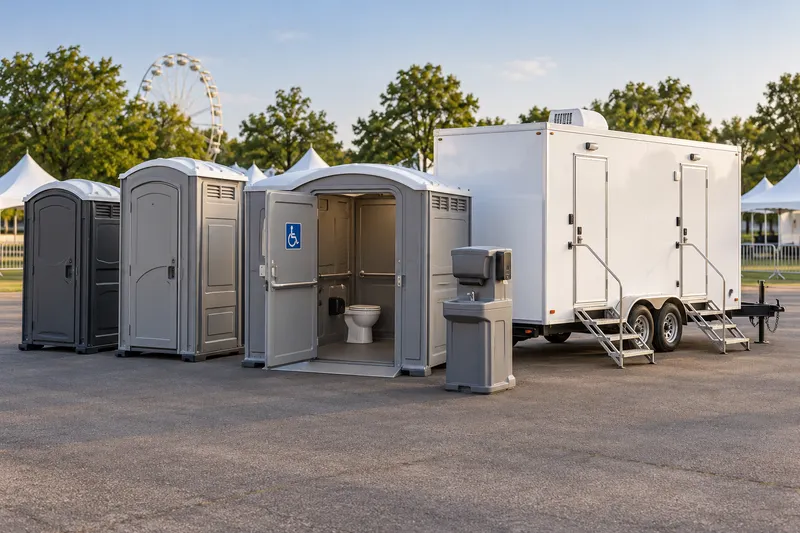
Choose a base that remains usable during the work
Explain where workers report, take breaks and leave vehicles. A toilet beside a distant entrance may be easy to identify but inconvenient for a crew working elsewhere. Conversely, placing equipment directly beside active machinery can create conflicts.
Ask the provider to assess the proposed position and access. Describe surface conditions and gates without assuming that a farm track suitable for one vehicle is suitable for the provider's equipment.
Keep crew welfare separate from the machinery schedule
Share when workers are present and whether several crews overlap. Include temporary workers and helpers who cannot use facilities in a private building. Discuss washing for the ordinary restroom need; agricultural chemicals or other work-specific hygiene may require separate arrangements.
Keep the approach away from equipment parking and material handling. If work shifts to another part of the property, review whether the original facilities still serve the crew rather than towing or lifting the unit yourself.
Assign one person to notice changes
The day-to-day contact should report altered routes, more users or a change in the finish date. Site observation is different from technical toilet service, and workers should know whom to contact rather than attempting repairs.
At the end of the job, retain access for collection even if the field or yard returns to another use. A later crop operation, closed gate or parked machine can affect the provider after the crew has left.
Questions before you book
Can a rural address alone establish delivery access?
No. Give the actual entrance and proposed position, and have the provider assess the route.
Can the equipment follow a moving work crew?
Discuss planned locations with the provider. Do not move rented equipment using farm or construction machinery without an agreed arrangement.