
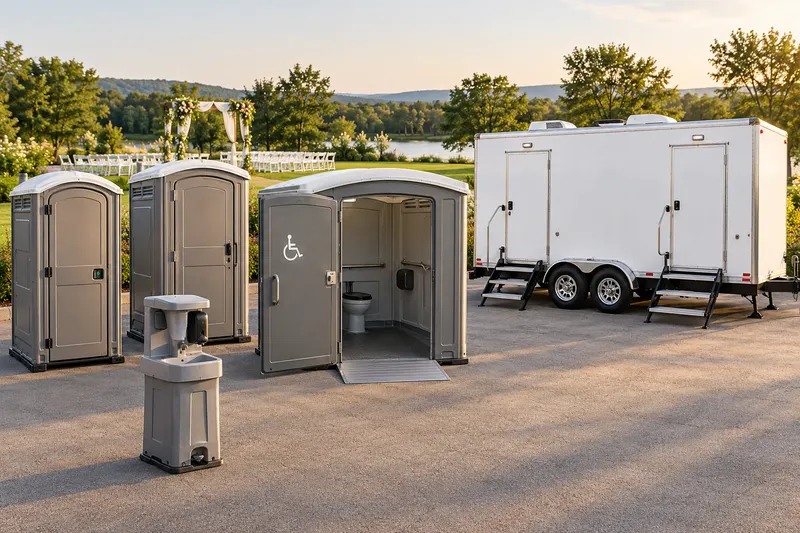
Choose the stop before advertising the itinerary
Decide where the group can take a restroom break and how long that stop lasts. Ask the operator what permanent facilities are available at that location. If temporary equipment is needed, discuss an approved base where the group can use it rather than proposing scattered cabins along a trail.
Include guides, support volunteers and people who do not walk the full route. Their time at the base can be longer than the participants' stop, so describe those users separately to the provider.
Separate walking access from delivery access
A path shown on the outing map is not evidence of a service-vehicle route. Provide the actual receiving address and entrance for the proposed equipment position. The land manager and provider must review their respective access requirements.
Explain the walk from the group's stop to the facilities, including any assistance needs. Keep the washing point and waiting area out of the through-route so one group's break does not obstruct other users.
Give the leader a realistic break plan
Tell participants where the stop is, rather than promising restrooms at every point. If the route or timing changes, reassess whether the planned break is still workable. Keep the rental contact informed if the equipment use period changes.
Do not tow a portable toilet along with a moving group or shift it from stop to stop. If more than one location needs equipment, ask for a separate assessment and clear order for each.
Questions before you book
Can a trail map be used as delivery instructions?
No. Provide the approved vehicle entrance and equipment location as a separate set of instructions.
Do county trail references confirm a toilet at each stop?
No. Confirm facilities for the specific itinerary and date with the relevant operator.