
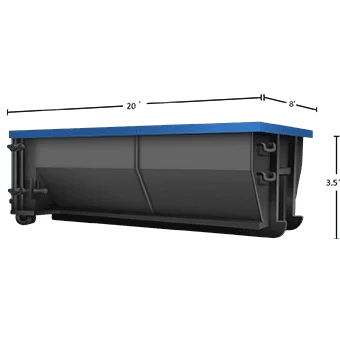
Estimate the pile in a way the provider can use
Describe the items and their condition: intact furniture, dismantled cabinets and loose rubble occupy space differently. Explain whether the material is already gathered or still being removed from a building. A photograph can help show the pile, but retain the written material list.
Separate bulky light items from dense material. Do not combine everything into one volume guess and assume the same loading instructions apply.
Ask how capacity and weight work together
Confirm the proposed container's usable dimensions, allowed materials and loading instructions. Ask about the weight allowance and how the provider handles a load that differs from the agreed scope. Do not fill above the instructed level or use empty-looking space as a reason to add unapproved dense waste.
If the project has several phases, discuss one container, an exchange or separate material arrangements as options. The provider should explain what is feasible for the actual job rather than the customer assuming the largest container is always simplest.
Check the space around the container
Include delivery and pickup access, door operation if applicable and the worker loading route. A container footprint alone does not describe the full operating space. Explain vehicles, gates or other equipment that may restrict access during the project.
Keep the proposed container separate from the restroom approach and other essential site routes. Once the equipment is selected, retain the agreed loading instructions where everyone using it can understand them.
Questions before you book
Can the largest available container take any material?
No. Material acceptance, loading weight and site access still apply. Confirm the actual arrangement with the provider.
Should I order by volume or weight?
Discuss both. Bulky items may fill the space first, while dense materials can reach a weight constraint before the container looks full.
What if the waste amount is uncertain?
Explain the uncertainty and project phases. Ask about realistic alternatives and change terms instead of overfilling an unsuitable container.